Initiatives
Texas Voter Project is launching two new initiatives—research-driven voter information tools and community-based civic groups—because increasing youth turnout requires both better access to facts and stronger connections between people.
Decades of research show that young voters don’t participate at low rates because they don’t care, but because they often feel disconnected, overwhelmed, or unsure where to start. Clear, trustworthy election information helps close the knowledge gap. But lasting change happens when people also feel part of a community where voting is normal, shared, and expected.
That’s why TVP is pairing hard science (rigorous testing of voter guides and digital tools) with soft civic engagement (small-group gatherings, conversation templates, and local leadership models). Together, these approaches rebuild the civic habits and social networks that help young people feel informed, connected, and motivated to vote.
-
Scholars have long argued that clear, nonpartisan election information helps voters—especially young and first-time voters—navigate a system that can feel overwhelming or opaque. Studies on voter guides, ballot explanations, and “encyclopedic” election resources show measurable improvements in:
confidence about voting
candidate understanding
alignment between personal values and ballot choices
This reflects TVP’s core belief: it shouldn’t take hours of research or insider knowledge to participate in a democracy. Our research initiative tests what formats, messages, and tools actually help young Texans feel ready to vote.
-
Social scientists, including Robert Putnam, have documented a long decline in the community networks that once helped people stay informed and civically active. Meanwhile, Sophia’s own research found that young adults aren’t disengaged—they’re disillusioned by institutions and disconnected from the civic spaces that once nurtured political participation.
In other words, information helps people understand how to vote, but community shapes why they vote.
That’s why our second initiative focuses on rebuilding the civic fabric that helps turnout stick:
small group conversations
neighborhood gatherings
templates for local leaders
shared spaces where people can talk, learn, and show up together
These are the environments where voting becomes a shared norm instead of a solo burden.
-
Research shows that turnout increases most when people have:
trust in the information they’re receiving
identity within a community that values participation
motivation rooted in relationships, not pressure
clarity about what’s on their ballot
One without the other isn’t enough.
Hard science gives young voters reliable tools.
Soft civic engagement gives them the social support to use them.This combined approach is how communities across the country have historically turned periods of low participation into powerful civic renewal. We are applying that same logic here in Texas—with modern tools, local partnerships, and a generation that is more ready for connection than people often assume.
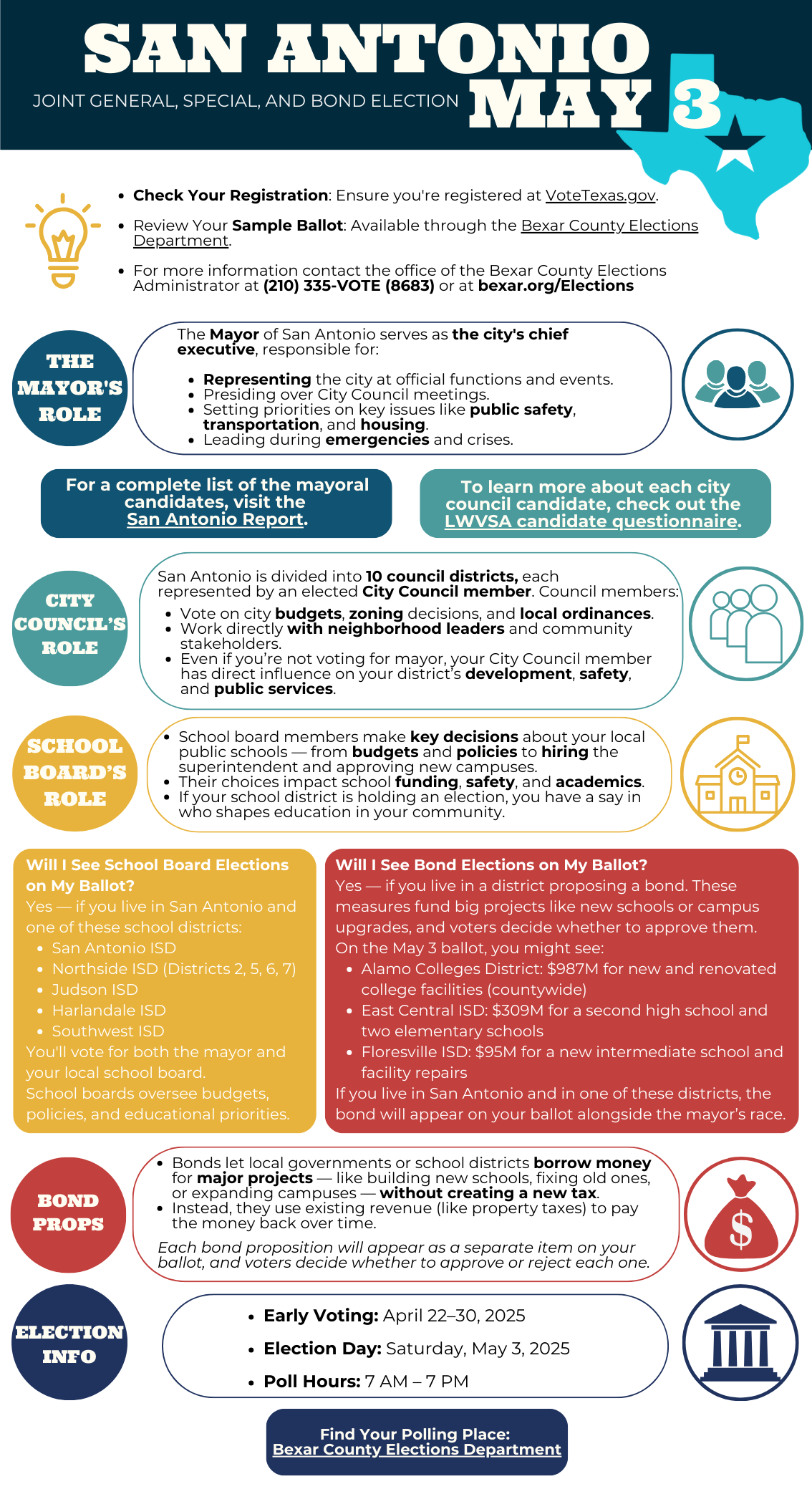
Information infrastructure
TVP’s research initiative develops and tests nonpartisan voter information tools to understand what actually increases youth turnout and to build reliable, scalable systems that make voting easier.


Social infrastructure
TVP’s community initiative creates local small-group gatherings, conversation templates, and leadership models that rebuild the social connections and civic habits young people need to feel motivated and supported to be engaged citizens.